TAM HISTORY: January – Key Events in TAM’s Early Years
TAM HISTORY: January
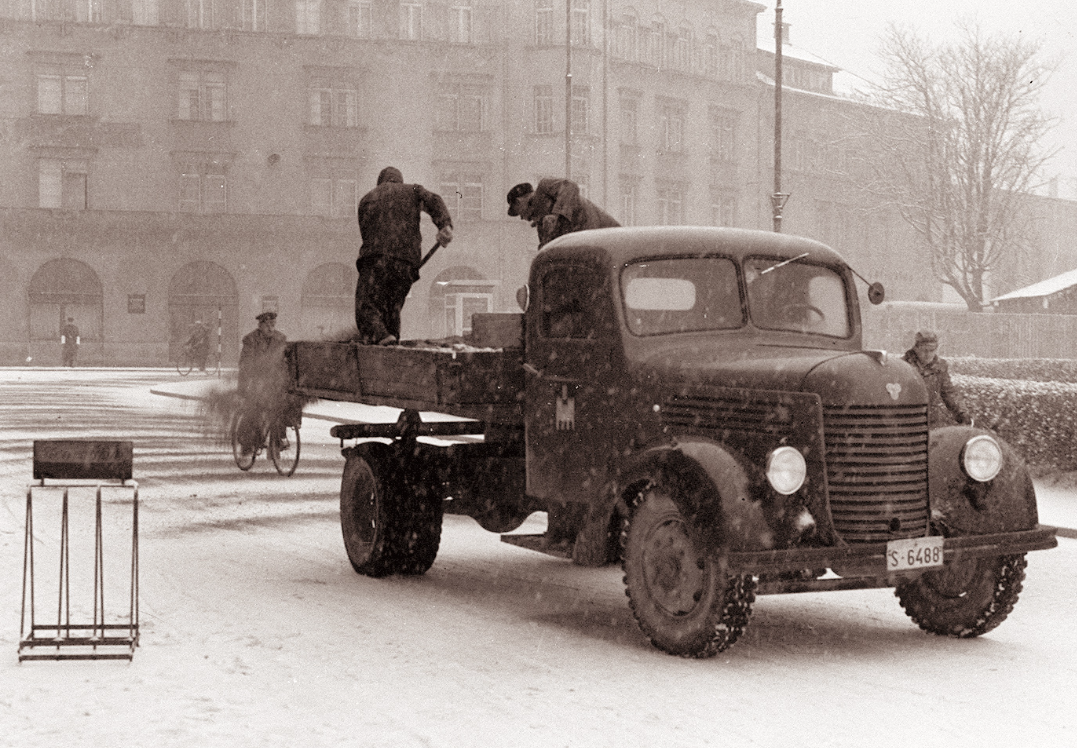
The First January in TAM’s History of Existence: January 1947
January 1947 was the first official month in TAM’s history and the first in a series of subsequent January milestones.
Introduction of the IBM Computer System at TAM Maribor: Technical History and Organizational Impact
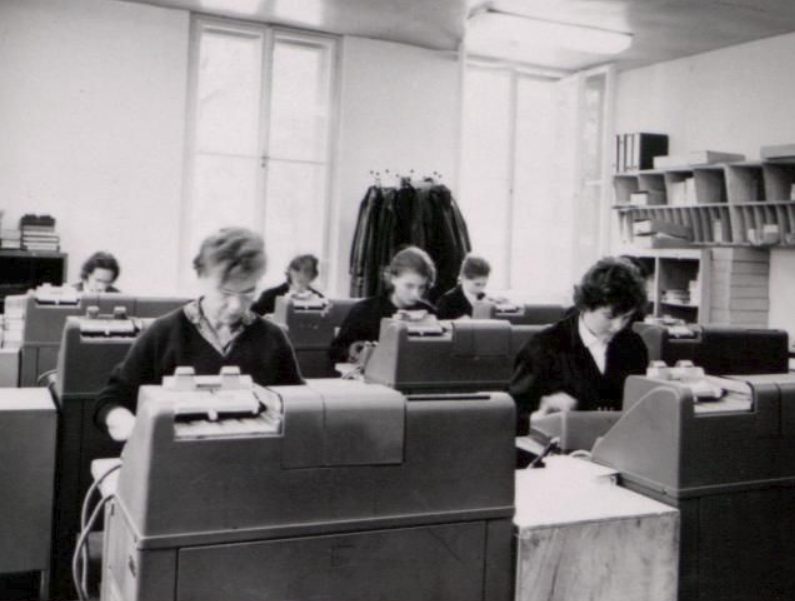
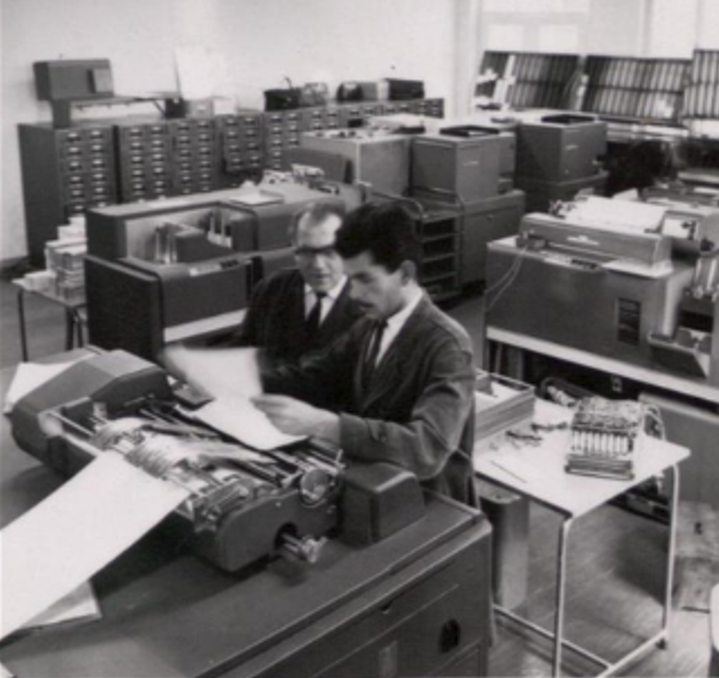
In January 1956, TAM Maribor introduced its first IBM computer system, representing one of the earliest examples of computing technology adoption in an industrial environment within the territory of present-day Slovenia. This event marked a significant technological shift from manual and paper-based data processing to electronic computing, initiating the digitalization of business functions within the company.
Technical Context and Initial Use
The IBM computer system was initially implemented to support key internal processes, primarily material management and personal income calculation. The introduction of the system enabled the automation of operations that had previously been performed manually, improving accuracy, consistency, and processing speed.
The average utilization of the system reached 86 hours per month, which was a high level of use for that time, considering the limited availability of computing resources and the high cost of maintenance. Importantly, approximately 80% of the system’s capacity was dedicated to processing data for external clients, indicating that the computing center functioned not only as an internal tool but also as a service provider for external users.
Expansion of Data Processing in the Following Period
By the early 1960s, the scope of data processing at TAM had significantly expanded. The company was processing 72 different tables and reports, indicating a gradual extension of computing use across the organization. This growth was driven by several factors:
-
an increase in the volume of data requiring processing in an industrial environment;
-
expansion of business functions requiring standardized and repeatable outputs;
-
growing demands for internal and external reporting.
During this period, computer systems became essential for effective management of material flows, payroll, statistics, and business reporting.
Adoption of New Systems and Technological Development
With the further development of computing technology, TAM integrated newer computer systems, keeping the company at the forefront of technological change in the region. This development provided greater flexibility and scalability in data processing, while also requiring the establishment of technical and organizational knowledge needed to manage more complex information systems.
An important aspect was the development of personnel competencies and organizational structure, as the introduction of computing required new professional profiles, new work procedures, and standardization and control of data processing processes.
Organizational Impact and Long-Term Significance
The introduction of the IBM computer system at TAM triggered a gradual digitalization of business processes, impacting the company’s long-term development. The early steps enabled:
-
the development of internal processes and standards for data processing,
-
the establishment of reporting and control systems,
-
increased operational efficiency and reliability,
-
expansion of services to external clients,
-
the long-term formation of an innovation culture that continues today.
This historical example is also significant from the perspective of technological history in Slovenia, as TAM was among the first companies in the region to introduce computer-based data processing in an industrial environment, laying the groundwork for the further development of information systems within the company and beyond.
January 1957 – The License Contract with KHD (Klöckner-Humboldt-Deutz)
A Turning Point in TAM’s History
In January 1957, TAM (Tovarna avtomobilov Maribor) reached a decisive milestone by signing a license contract with the German company Klöckner-Humboldt-Deutz (KHD). KHD was internationally recognized for Magirus-Deutz commercial vehicles and Deutz air-cooled diesel engines, making the agreement extremely significant for TAM. The contract represented a major turning point, not only as a technical agreement but as a foundational step that shaped the company’s future development and enabled its transition into modern industrial production.
Access to Western Technology and Series Production
At a time of rapid industrialization in Yugoslavia, demand for reliable and robust commercial vehicles was rapidly increasing. The partnership with KHD gave TAM direct access to proven Western vehicle designs, modern engineering concepts, and industrial production know-how, enabling the company to move from early development into licensed series production. The agreement initially covered the production of trucks with a payload capacity of 4.5 tons, representing a significant step in TAM’s technical capabilities and competitiveness in both domestic and export markets.
The Importance of Domestic Manufacturing
An important feature of this early phase was the relatively high level of domestic content. Approximately 30% of vehicle components were produced locally, demonstrating that TAM was already building a strong manufacturing base and gradually transferring technical expertise to the workforce in Maribor. This level of local production was also strategically important for economic independence and industrial growth, as it helped develop a domestic supply chain and industrial competencies.
The Birth of a Legend: TAM 4500
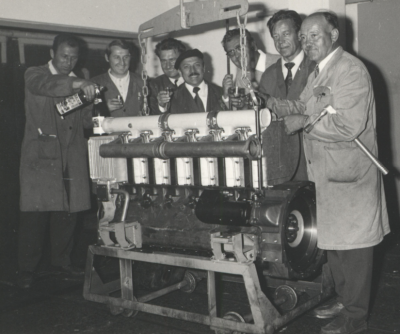
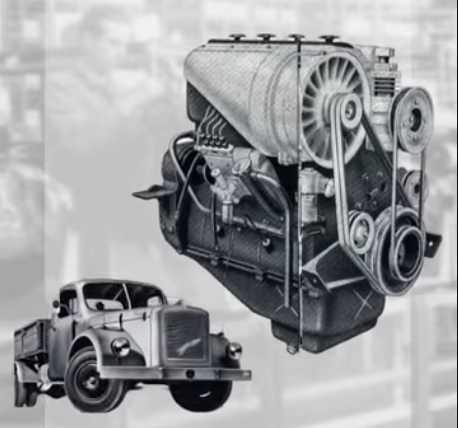
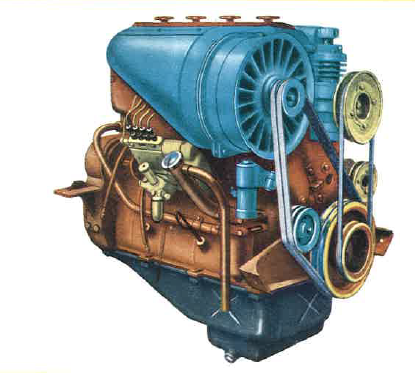
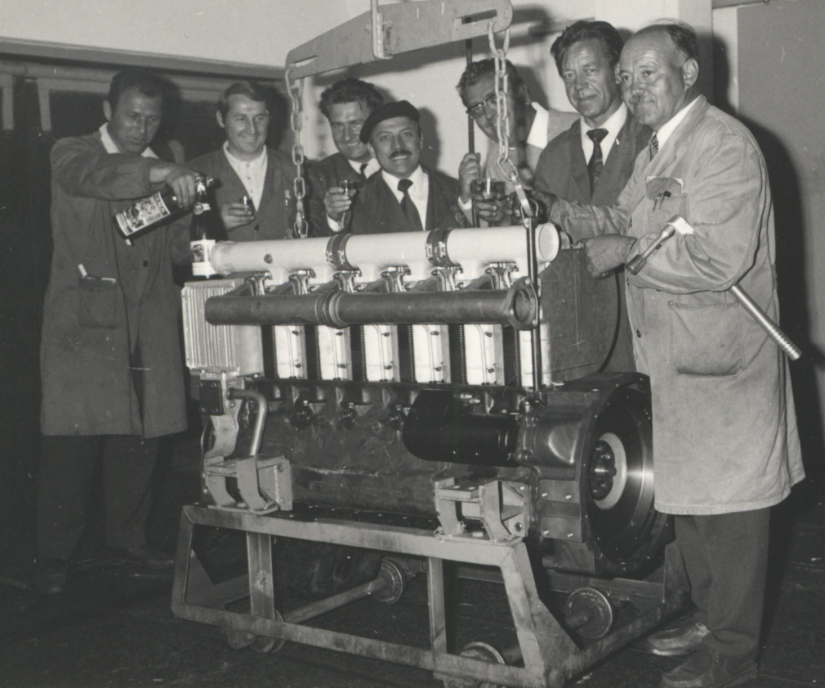
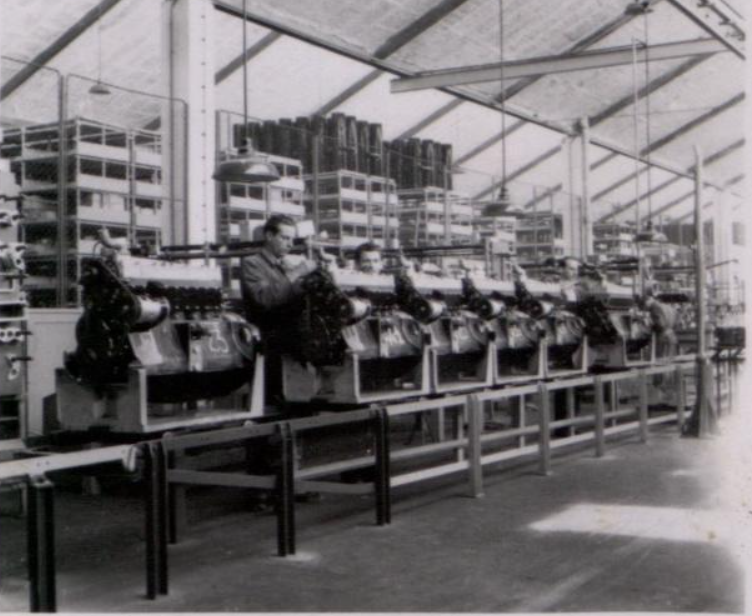
The first engines produced at TAM under the KHD license were inline four-cylinder air-cooled diesel engines F4L 514. These engines were installed in the TAM 4500, a vehicle that soon became one of the most iconic and recognizable trucks in TAM’s history. Thanks to its robustness, reliability, and adaptation to local operating conditions, the TAM 4500 earned an outstanding reputation and became a symbol of the era. It achieved legendary status across Yugoslavia and beyond, remaining a lasting icon of regional industrial heritage.
Program Expansion: F6L 614 and TAM 5500
In the following years, the licensed production program expanded to include six-cylinder V engines of the same design family (F6L 614). This development enabled the design and production of higher payload trucks, including the well-known TAM 5500, as well as a range of buses for various applications. This expansion significantly broadened TAM’s product portfolio and strengthened its position as a major manufacturer of both trucks and buses, supporting continued growth and expansion into domestic and international markets.
Laying the Foundation for the Future
The 1957 license contract was therefore much more than a technical agreement. It marked TAM’s transformation from a developing manufacturer into a structured and technologically advanced industrial enterprise, enabled systematic training of engineers and skilled workers, and laid the foundation for decades of truck and bus production in Maribor. In retrospect, January 1957 stands as a foundational moment in TAM’s history — the point at which local industrial ambition successfully combined with world-class engineering, giving birth not only to new technologies and production systems but also to vehicles that became true industrial legends, led by the TAM 4500.